
About Old Mine Cut Diamond Jewellery
Old Mine Cut Diamonds — The Ultimate Guide to Antique Diamond Jewellery
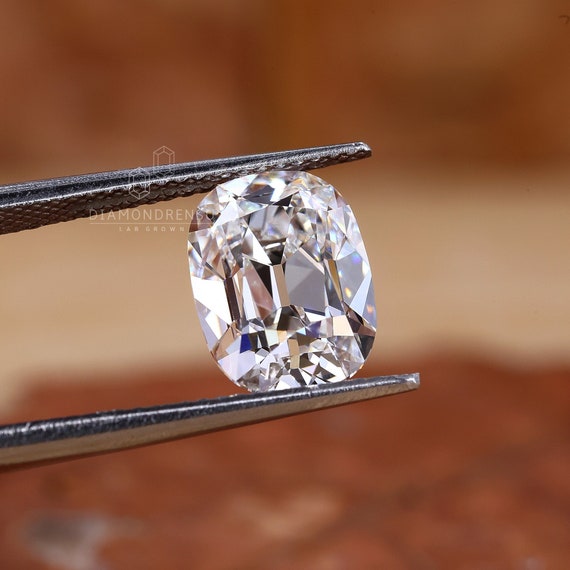
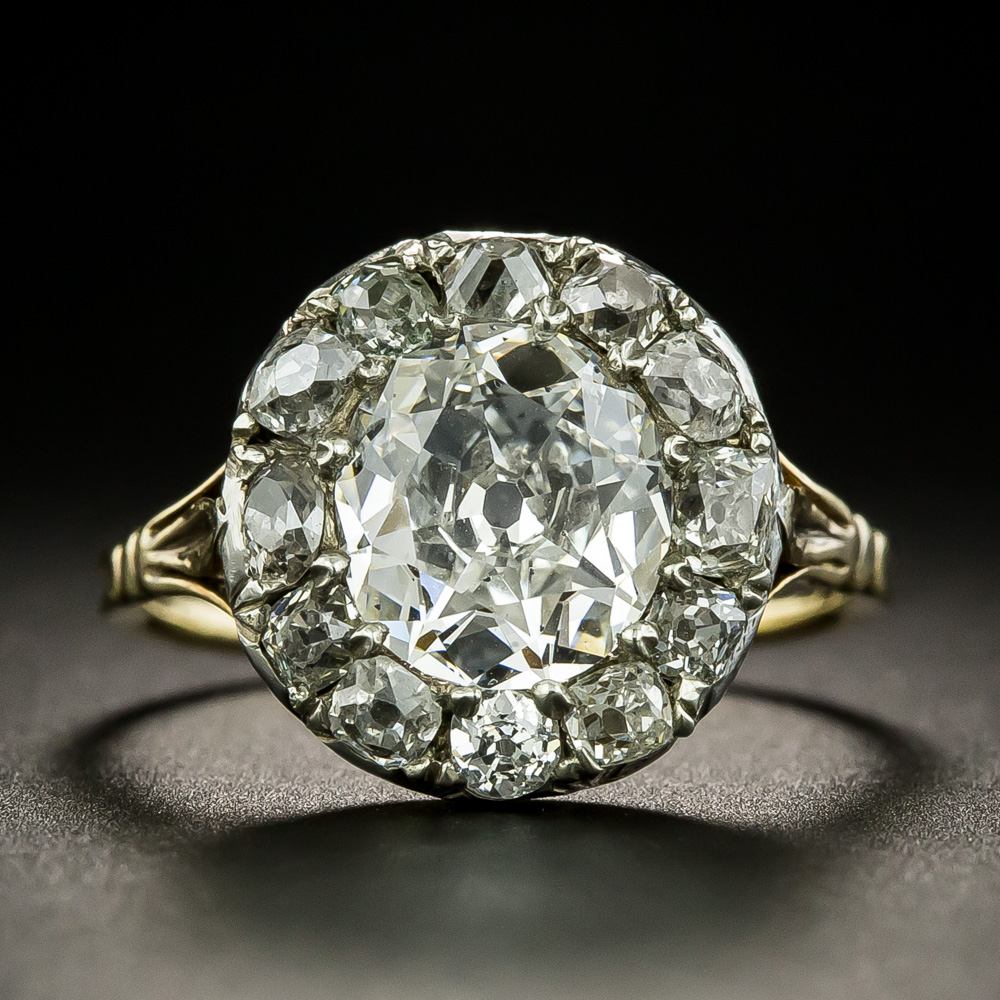

Old mine cut diamonds are among the most cherished antique diamond styles in the world — prized for their history, handcrafted charm, romantic sparkle, and unique character. These historic gems are especially popular in antique engagement rings, vintage earrings, and heirloom jewellery collections thanks to their exceptional proportions and timeless appeal.
What Is an Old Mine Cut Diamond?
An old mine cut diamond is a historic diamond shape that predates modern cutting techniques. It was the dominant cut from the early 18th century through the late 19th century, especially during the Georgian (1714–1837) and Victorian (1837–1901) eras.
Key characteristics include:
-
A slightly square or cushion outline with rounded corners
-
58 broad, hand-ground facets
-
A smaller flat top (table) and larger bottom facet (culet)
-
A higher crown and deeper pavilion than modern cuts
-
An irregular, handcrafted look — no two are exactly alike
Because they were shaped entirely by hand, old mine cuts display a warm, candlelight-friendly sparkle rather than the crisp brilliance found in modern cuts.
History: Handcrafting Diamonds Before Machines
Before precision machinery and lasers, diamond cutting was entirely manual and labour-intensive. Skilled cutters — historically called bruters — worked at the cutting house, not the mine, grinding diamonds against each other to shape the stone. They used their eyes, experience, and judgment rather than mathematical proportions or gauges. Each stage — bruting, shaping, faceting, and polishing — required painstaking attention and hours of manual labour.
This era predates modern mechanised cutting: mechanised bruting machines didn’t appear until the late 19th century, replacing the earlier manual grind-and-shape methods and vastly increasing cutting precision and symmetry.
The name “old mine” originally referred to rough diamonds from the traditional mining regions — notably the historic diamond fields of India and Brazil — before modern mining in South Africa transformed global supply.
Old Mine Cut vs. Other Antique Cuts
There are a few historic cuts you might encounter when shopping antique or vintage diamond jewellery:
| Cut | Shape | Era | Notes |
|---|---|---|---|
| Old Mine Cut | Square-ish w/ rounded corners | 18th–19th c. | Precursor to cushion cut; hand-cut proportions |
| Old European Cut | Round | Late 19th c. – early 20th c. | Bridge between old mine and modern round brilliant |
| Rose & Mogul Cuts | Fancy shapes | Early pre-brilliant styles | Less common historically |
The old mine cut stands out for its squarish cushion silhouette and larger facets, whereas the old European cut has a round outline and more symmetrical faceting.
Why Buy an Old Mine Cut Diamond?
Old mine cut diamonds are increasingly sought after in the luxury jewellery market because they:
✔ Carry historical provenance — ideal for collectors and heirlooms
✔ Have a distinct, romantic sparkle, beloved in candlelight settings
✔ Offer authentic antique charm unlike machine-cut modern stones
✔ Pair beautifully with vintage-style rings and settings
Recent popularity surges — including celebrity influences — have made antique cuts highly searchable and desirable, especially for engagement rings that stand out from modern trends.
What to Look For When Shopping Antique Old Mine Cut Jewellery
When evaluating old mine cut diamonds in antique settings, consider:
✨ Facet Character: Larger, less precise facets create warm glints rather than razor-sharp sparkle.
✨ Shape & Proportions: Look for a classic squarish cushion outline.
✨ Setting Protection: Antique stones often have thinner girdles, so a secure setting (e.g., bezel or protective prongs) helps safeguard the diamond.
✨ Provenance & Age: Certified antique jewellery with documented history adds both emotional and resale value.
Also consider whether you want a true antique old mine cut (cut in an earlier era) or a modern replica cut in the old mine style — the latter offers improved symmetry while retaining vintage aesthetics.
Styling & Jewellery Trends
Old mine cut diamonds excel in:
💎 Antique engagement rings — showcase heritage and timeless beauty
💎 Victorian & Edwardian rings with milgrain and filigree detailing
💎 Vintage earrings and pendants — perfect for heritage collections
💎 Custom vintage-inspired jewellery — for personalised heirlooms
These diamonds pair especially well with warm metal tones (rose and yellow gold) and classic platinum settings for a truly authentic antique look.