

Table of Contents
- Why Physical Gold and Diamonds Matter for Portfolio Diversification
- Gold vs. Diamond Investment Comparison
- Rare Gold Coin Provenance Documentation Requirements
- How to Grade Antique Diamond Jewellery
- Capital Gains Tax on Collectable Assets
- Storage, Security and Insurance Considerations
- Exit Strategy Planning and Liquidity
- How to Buy Physical Gold and Diamonds
- Frequently Asked Questions
Last Updated: September 25, 2026
Why Physical Gold and Diamonds Matter for Portfolio Diversification
Physical gold diamonds numismatic investments offer something traditional financial assets cannot: tangible ownership of wealth that exists independent of banking systems or currency fluctuations. When inflation erodes purchasing power or markets become volatile, investors who hold physical precious metals and graded diamonds maintain an anchor to real value.
The distinction matters. Numismatic investments differ fundamentally from ordinary bullion because they combine intrinsic metal content with historical significance, rarity, and provenance. A gold sovereign isn't just 7.32 grams of pure gold, it's a documented piece of history with authentication standards that add measurable premium to its spot price. Similarly, antique old mine cut diamonds graded to recognised standards command value beyond their raw carat weight.

Portfolio diversification using these assets works because they move independently of equities and bonds. When stock markets contract, investors typically see gold strengthen. Numismatic pieces and certified diamonds provide additional insulation because their value derives partly from collector demand rather than commodity prices alone.
Investors often approach physical gold diamonds numismatic assets as separate decisions. The reality is more nuanced. A balanced tangible asset strategy combines both, using gold sovereigns and bullion coins for reliable metal content and inflation protection, whilst numismatic rarities and antique diamonds serve as wealth preservation vehicles that appreciate through documented scarcity and provenance.
Gold vs. Diamond Investment Comparison
Gold and diamonds represent different investment mechanics, each suited to different portfolio objectives. Understanding their characteristics determines which belongs in your allocation.
Gold offers immediate liquidity, transparent pricing tied to spot rates, and straightforward grading standards. A gold sovereign from Gold2u contains precisely 7.3224 grams of pure gold at 916.7 fineness. That specification remains constant regardless of market conditions. The metal trades globally with published daily prices, making valuation transparent.
Diamonds present a more complex valuation landscape. Cut, clarity, colour, and carat weight determine value, but no single metric equals price. Two diamonds of identical carat weight can differ significantly in value based on grading nuances. This complexity creates both opportunity and risk, opportunity because informed buyers can identify undervalued pieces, risk because exit liquidity depends on finding a buyer who values your specific stone.
Bullion Coins vs. Numismatic Sovereigns
Bullion coins prioritise metal content over rarity. A modern Britannia coin or similar bullion issue trades near spot price plus a modest premium for minting and distribution. These coins serve investors seeking pure metal exposure without paying for historical significance.
Numismatic sovereigns, historical coins like the Queen Victoria pieces Gold2u stocks, command premiums far exceeding their metal value. An 1855 Queen Victoria Full Gold Sovereign sells for £950, whilst its gold content (7.3224 grams at current spot rates) represents only a fraction of that price. The premium reflects documented provenance, rarity, die numbers, mintmark variations, and collector demand.
The investment logic differs. Bullion coins hedge inflation and currency risk. Numismatic sovereigns hedge those factors whilst capturing appreciation from scarcity and historical significance. A 1917 King George V Perth Mint sovereign at £1,200 carries premium because Perth Mint issues from that era are less common than London Mint equivalents. For example, Gold2u offers a 1917 King George V Full Gold sovereign - Perth Mint for £1,200.
Diamonds as Tangible Assets
Antique old mine cut diamonds offer tangible wealth that exists outside financial systems. Unlike modern brilliant cuts, old mine cuts feature larger, more visible faceting that showcases the stone's character. This aesthetic distinction drives collector demand independent of commodity markets.
Diamonds provide wealth concentration. A single 2-carat certified antique diamond can represent significant value in compact physical form. This makes them valuable for high-net-worth individuals seeking to preserve wealth across borders or circumstances where financial access becomes constrained.
However, diamonds require expert authentication and grading. A certified stone with documented provenance commands premium over an uncertified equivalent. The certification itself becomes part of the asset's value proposition.
Rare Gold Coin Provenance Documentation Requirements
Provenance, the documented ownership history of a rare coin, fundamentally affects its value and marketability. A gold sovereign with clear provenance commands substantially higher prices than an identical coin without documented history.
Proper documentation should include the coin's acquisition date, previous owner information where available, any auction house records, and authentication certificates from recognised grading services. For historical pieces like those Gold2u offers, provenance establishes authenticity and rarity status.
The supporting keyword rare gold coin provenance documentation requirements reflects regulatory and market standards. Serious collectors and institutional buyers require evidence that a coin hasn't been altered, artificially treated, or misrepresented. This documentation protects both the buyer and the long-term resale value of the piece.
When acquiring rare gold coins, request complete documentation of grading assessments, mintmark verification, die number classification, and any published references in numismatic catalogues. This creates an audit trail that preserves value across decades or generations.
How to Grade Antique Diamond Jewellery
Grading antique diamonds requires understanding both the Four Cs and how old mine cuts differ from modern standards. Professional grading organisations apply consistent criteria.
The Four Cs: Cut, Clarity, Colour and Carat
Carat measures weight, with one carat equalling 200 milligrams. Larger diamonds command exponentially higher prices per carat because size rarity increases with weight.
1871 - Queen Elizabeth II - Full Gold →
Colour ranges from colourless (D-F grades) through near-colourless and faint yellow into light and fancy colours. Antique diamonds often display subtle yellow or brown tones. These colour characteristics don't diminish value for old mine cuts, they enhance authenticity and character.
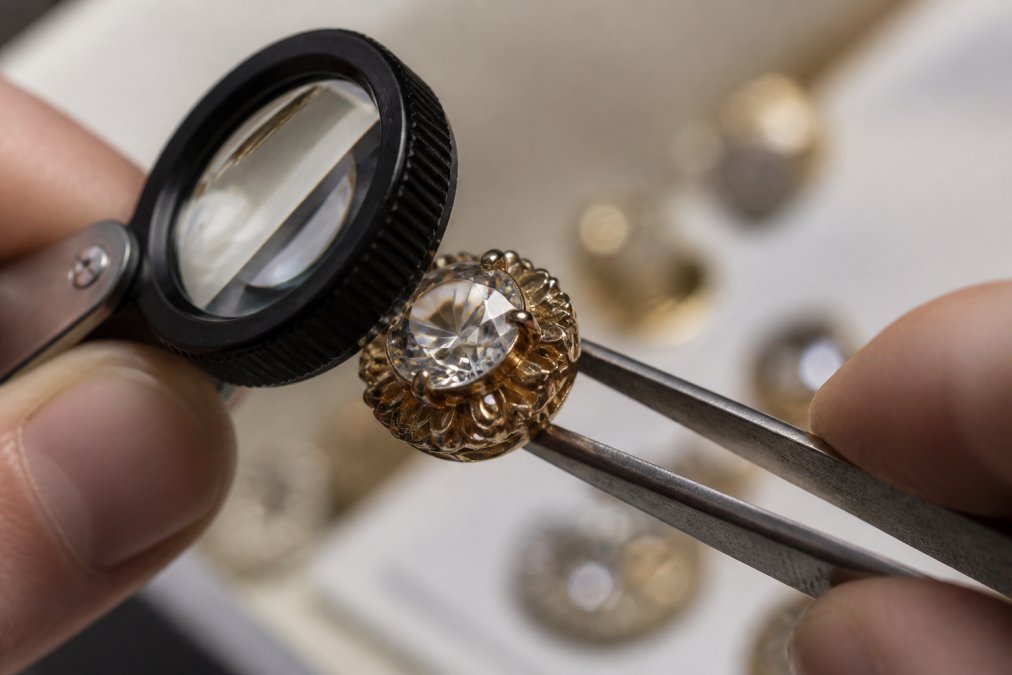
Clarity assesses inclusions visible under 10x magnification. Antique stones frequently contain inclusions that would be considered flaws in modern diamonds. However, these inclusions establish authenticity and age.
Cut in old mine cut diamonds differs fundamentally from modern brilliant cuts. Old mine cuts feature larger facets, deeper pavilions, and smaller tables. This creates different light behaviour, often more fire and visible faceting rather than the sparkle modern cuts produce. Grading evaluates how well the cut maximises the stone's visual appeal within these historical parameters.
Numismatic Grading Standards for Diamonds
The supporting keyword how to grade antique diamond jewellery extends beyond the Four Cs to numismatic grading, which evaluates historical significance, rarity, and condition.
Numismatic grading considers provenance documentation and condition grading on standardised scales.
Condition grading for antique diamonds assesses how the stone has survived time, whether it shows wear, polish marks, or evidence of re-cutting.
Professional grading from recognised organisations provides certification that supports future resale.
Capital Gains Tax on Collectable Assets
The supporting keyword capital gains tax on collectable assets governs how profits from selling numismatic coins and antique diamonds are taxed. In the UK, capital gains tax applies when you sell an asset for more than you paid, with certain exemptions (Capital Gains Tax: what you pay it on, rates and allowances: Overview).
Storage, Security and Insurance Considerations
Physical ownership creates responsibility for safekeeping. Unlike stocks held in brokerage accounts, gold sovereigns and diamonds require active security measures.
Safe Haven Storage Options
Home storage offers immediate access but carries security risks. A domestic safe provides basic protection but may be insufficient for high-value collections. Many serious collectors use bank safe deposit boxes, which provide institutional security.
Insurance and Liability Protection
Insurance protects against theft, damage, and loss. Standard home insurance policies limit coverage for precious metals and jewellery. Valuable numismatic collections may require scheduled coverage listing each piece individually.
Exit Strategy Planning and Liquidity
Building a numismatic collection without planning how you'll eventually sell creates risk. Liquidity differs substantially between bullion coins and rare numismatic pieces.
How to Buy Physical Gold and Diamonds
Acquiring numismatic gold and antique diamonds requires understanding authentication standards, pricing mechanics, and seller credibility.
Frequently Asked Questions
What is the difference between bullion and numismatic gold coins?
Bullion coins are valued primarily for their precious metal content and spot price, their weight in gold matters most. Numismatic coins, such as historical sovereigns, command premiums based on rarity, age, mintmark, and historical significance. A numismatic coin may be worth substantially more than its pure gold content alone. This premium reflects provenance, condition and collector demand.
How do I verify the provenance of rare gold coins in the numismatic market?
Provenance documentation should include certification from recognised grading bodies, detailed mintage records, and chain-of-custody history. Request assay certificates confirming fineness and weight. Reputable dealers provide authentication guarantees and transparent sourcing. For rare pieces, independent third-party assessment adds credibility. Always cross-reference mintmarks, die numbers and design variations against numismatic catalogues.
Are antique diamonds considered a stable investment asset?
Antique diamonds, particularly old mine cut stones, can appreciate over time due to rarity and historical value. However, liquidity is lower than gold, finding a buyer at fair value takes longer. Stability depends on proper grading, certification and provenance documentation. Market volatility affects resale value more than bullion. They work best as part of a diversified portfolio rather than a standalone investment.
What are the tax implications of investing in physical gold and diamonds?
In the UK, capital gains tax applies when you sell precious metals or gemstones at a profit. The rate depends on your income tax band. Certain coins, such as legal tender sovereigns, may qualify for capital gains tax exemption if they meet specific criteria. Diamonds face standard CGT treatment. Keep detailed records of purchase prices, dates and sales proceeds. Consult a tax adviser to understand your individual liability.
How does historical significance affect the value of numismatic gold?
Historical significance, including the monarch, year, mintmark, die number and rarity, directly drives premium pricing above spot price. Coins from specific years or mints (such as Sydney or Perth) often command higher values among collectors. Condition and provenance further enhance value. A historically significant sovereign can be worth two to three times its pure gold content, depending on collector demand and scarcity.
What should I look for when buying antique gold coins as an investment?
Prioritise coins with clear provenance documentation, authentic assay certificates, and recognisable mintmarks. Check for die numbers and design variations that indicate rarity. Examine condition carefully, wear and damage reduce value. Compare pricing against recent auction results and specialist dealer listings. Verify fineness and weight match specifications. Buy from established dealers who offer authentication guarantees and transparent sourcing.


0 comments