

Table of Contents
- What Determines Liquidity in Rare Historical Gold Coins
- Rare Gold Coin Valuation: Understanding Market Price Discovery
- Rare Coin Authentication and Its Impact on Saleability
- Auction Versus Dealer Sale for Rare Coins: Which Offers Better Liquidity
- Selling Rare Gold Coins: Time-to-Sale and Transaction Costs
- Market Volatility, Economic Indicators, and Your Exit Strategy
- Building a Liquid Rare Coin Portfolio
- Frequently Asked Questions
Last Updated: October 6, 2026
What Determines Liquidity in Rare Historical Gold Coins
The liquidity of rare historical gold coins depends on several interconnected factors that determine how quickly and at what price you can convert them back to cash. Unlike bullion coins, which trade primarily on weight and gold content, rare coins command premiums based on scarcity, condition, provenance, and collector demand.
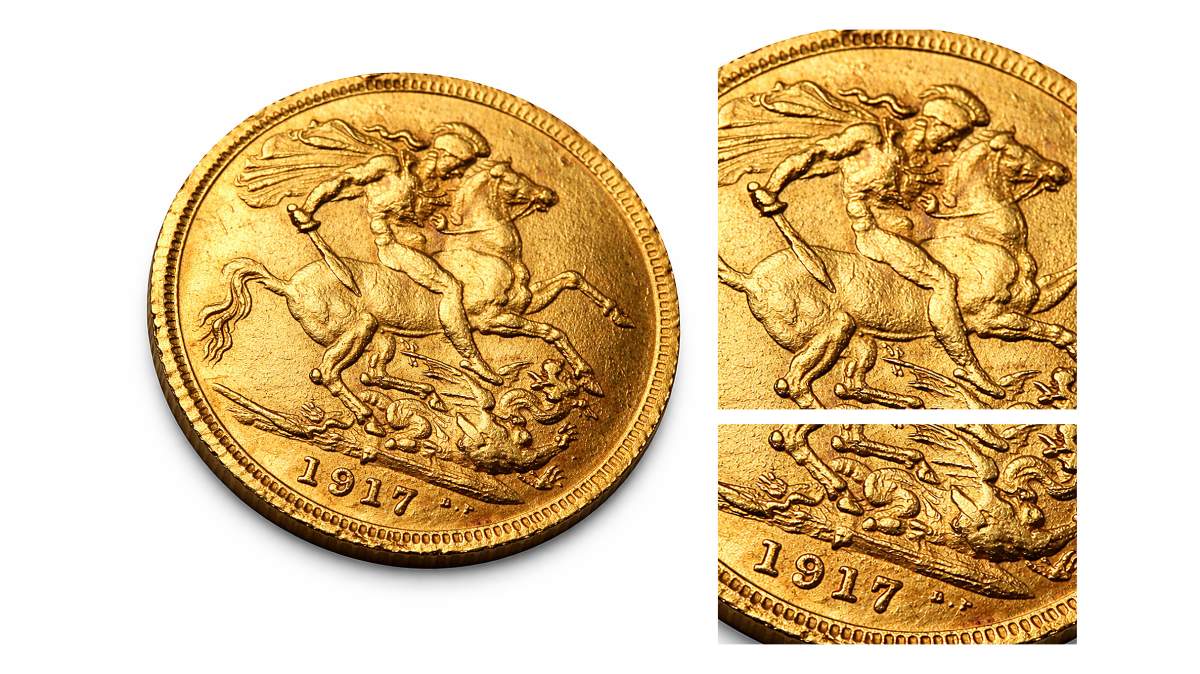
Rarity and historical significance form the foundation of liquidity. The 1917 King George V Full Gold Sovereign from the Perth Mint, for example, holds appeal both as a historical artefact and as an investment-grade precious metal.

Condition grading dramatically affects saleability. Professional grading services evaluate coins on a standardised scale, with higher grades commanding exponentially higher premiums. A coin in mint state will move faster and at a better price than one showing wear. Collectors prioritise certified coins because grading removes subjective judgment from the transaction.
Market depth also matters. Coins with established collector bases, such as British sovereigns or historical gold staters, have larger pools of potential buyers. Obscure or highly specialised coins may take longer to find the right purchaser, even if they're genuinely rare.
Rare Gold Coin Valuation: Understanding Market Price Discovery
Price discovery for rare coins happens through multiple channels, each revealing different market signals. Auction houses, dealer networks, and private sales all contribute to establishing fair value, but the mechanisms differ significantly.
Auctions serve as the primary price discovery mechanism. When a significant rare coin comes to market, auction houses create competitive bidding environments where collectors and investors reveal their true valuation. The final hammer price reflects what the market will actually pay at that moment.
Dealer networks operate on tighter spreads. Specialist dealers maintain inventory and establish pricing based on acquisition costs, rarity indices, and recent comparable sales. Dealers typically offer lower prices than auction results because they need margin for holding inventory and managing sales risk.
Private sales between collectors occur off the public record, making them invisible to price discovery. These transactions often reflect personal relationships, bulk lot sales, or estate liquidations rather than fair market value. Relying solely on private sale prices can distort your understanding of true liquidity.
The bid-ask spread, the gap between what buyers will pay and what sellers ask, reveals market liquidity at any given moment. A tight spread indicates strong liquidity; a wide spread suggests fewer active buyers. Coins trading in active secondary markets show spreads of 5-10%, while highly specialised pieces may see spreads exceeding 20%.
Rare Coin Authentication and Its Impact on Saleability
Authentication transforms a coin from a questionable asset into a tradeable commodity. Without third-party certification, even genuinely rare coins face buyer scepticism that depresses price and extends time-to-sale.
Professional grading services like PCGS and NGC provide standardised authentication and condition assessment. These organisations use rigorous protocols to verify authenticity and assign grades on consistent scales. A certified coin in a tamper-evident holder carries institutional credibility that individual certification cannot match. Buyers trust these services because their reputation depends on accuracy, a single major error would destroy their market position.
Provenance documentation strengthens authentication further. A clear ownership history, especially one linked to notable collections or institutions, increases buyer confidence. Coins with documented provenance command premiums because the risk of undisclosed restoration or counterfeiting drops significantly.
The cost of authentication matters for liquidity calculations. Professional grading typically costs £50-300 depending on coin value and service speed. For high-value pieces, this investment pays for itself through improved saleability and price realisation. For lower-value coins, authentication costs may exceed the liquidity benefit.
Ungraded coins face substantial liquidity headwinds. A buyer encountering an ungraded rare coin must either trust the seller's assessment or commission independent evaluation, both create friction that extends sale timelines. Many serious collectors simply refuse to bid on uncertified pieces, effectively removing them from active secondary markets.
Auction Versus Dealer Sale for Rare Coins: Which Offers Better Liquidity
Both auction and dealer channels serve different liquidity needs. Choosing between them depends on your timeline, the coin's characteristics, and your acceptable price range.
Auctions maximise price realisation for genuinely rare, historically significant pieces. Competitive bidding from multiple collectors drives prices to fair market value or beyond. Auction houses market extensively, reaching collectors worldwide through catalogues, online platforms, and specialist media.
The trade-off is time and certainty. Auction cycles typically run 8-12 weeks from consignment to settlement. You cannot guarantee a minimum price, if collector interest weakens, your coin may fail to meet reserve or sell below expectations.
Dealer sales prioritise speed and certainty. A dealer offers a fixed price immediately, allowing you to liquidate within days. This certainty is valuable when you need liquidity on a specific timeline. Dealer prices typically run 5-15% below recent auction results, reflecting the dealer's margin for holding inventory and managing sales risk.
For common date coins or bullion-grade pieces, dealer sales often outperform auctions because auction costs and marketing expenses exceed any price premium. A dealer can move volume efficiently; an auctioneer cannot justify catalogue space for routine material.
The choice depends on your coin's profile. Rare, historically significant pieces with documented provenance belong in auction. Common dates, bullion-grade sovereigns, or pieces with uncertain provenance move better through dealers.
Selling Rare Gold Coins: Time-to-Sale and Transaction Costs
Realistic liquidity planning requires understanding both how long sales take and what costs reduce your net proceeds.
1917 King George V Full Gold Sovereign – Perth Mint →
Time-to-sale varies dramatically by sales channel. A dealer transaction closes in 3-7 days. An auction cycle runs 8-12 weeks. Private sales between collectors can take months if you're selective about buyer quality. These timelines matter when you have a deadline or when market conditions shift during the sales process.
Transaction costs erode returns more than many sellers anticipate. Auction house commissions run 10-15% on the hammer price, plus insurance and shipping costs of £200-500. Dealer buybacks typically offer 85-95% of estimated fair value, meaning you accept a 5-15% haircut for immediate certainty. Professional authentication costs £50-300 per coin if not already certified. Shipping and insurance for high-value pieces adds £100-300 per transaction.
For a £2,000 rare coin sold at auction, total costs might reach £400-500, reducing net proceeds to £1,500-1,600. The same coin sold to a dealer at 90% of estimated value nets £1,800 immediately, but with zero authentication risk or holding costs.
Market timing affects sale outcomes significantly. Rare coin markets move with broader precious metals cycles, collector sentiment, and economic conditions. Selling during periods of strong collector demand and rising gold prices yields better results than forced liquidation during market weakness. Building flexibility into your timeline, avoiding hard deadlines when possible, improves outcomes.
Market Volatility, Economic Indicators, and Your Exit Strategy
Rare coin liquidity responds to broader economic conditions and precious metals market cycles. Understanding these relationships helps you time exits and plan portfolio adjustments.
Gold prices influence rare coin values, though not uniformly. Bullion-grade coins track spot gold prices closely, moving 1-2% for every 1% gold price change. Rare coins with strong numismatic premiums show less correlation because collector demand drives pricing more than metal content.
Economic uncertainty typically strengthens rare coin demand. During periods of high inflation, currency instability, or geopolitical tension, collectors and investors view physical gold as a hedge. Liquidity improves because more buyers enter the market. Conversely, strong economic confidence and rising equity markets can reduce collector activity, tightening bid-ask spreads and extending sale timelines.
Interest rates affect precious metals demand inversely. Rising rates increase the opportunity cost of holding non-yielding assets like coins, potentially suppressing prices. Falling rates reduce this friction, supporting stronger collector demand and faster liquidity.
Your exit strategy should account for these cycles. If you're building a rare coin portfolio as a long-term store of value, plan to hold through multiple market cycles. Short-term trading in rare coins is difficult because transaction costs and market friction consume gains from price movements.
Building a Liquid Rare Coin Portfolio
Strategic portfolio construction improves overall liquidity without sacrificing the historical significance and value appreciation that make rare coins compelling.
Diversify across liquidity tiers. Include some highly liquid pieces (recent sovereigns, recognised rarity types) alongside your most prized acquisitions.
Prioritise documented provenance and professional grading. Every coin should carry third-party authentication. This single decision dramatically improves secondary market saleability and reduces buyer friction. The upfront cost of certification pays dividends when you eventually liquidate.
Track market comparables regularly. Monitor recent auction results, dealer offerings, and private sales in your collecting category. Understanding price trends and liquidity patterns for your specific coins informs better exit timing and realistic valuation.
Maintain detailed records. Document acquisition costs, authentication certificates, insurance valuations, and any restoration or conservation work. This information accelerates sales processes and supports fair pricing negotiations.
Gold2u helps collectors build portfolios with liquidity in mind. The 2017 Queen Elizabeth II Full Gold Sovereign, for example, combines investment-grade gold content with recognised collector appeal, supporting both long-term appreciation and practical liquidity when needed.

| Portfolio Element | Liquidity Profile | Best For | Time-to-Sale |
|---|---|---|---|
| Recent date sovereigns | High | Emergency access, portfolio flexibility | 3-7 days (dealer) |
| Historically significant rare coins | Medium | Long-term appreciation, collector value | 8-12 weeks (auction) |
| Bullion-grade pieces | Very high | Immediate liquidity, metal price exposure | 1-3 days (dealer) |
| Specialised/niche coins | Low | Deep collector interest, premium appreciation | 3-6 months (private sale) |
The liquidity of rare historical gold coins ultimately reflects the tension between collector passion and market practicality. Rare coins offer genuine portfolio benefits, tangible assets, inflation hedges, and the satisfaction of owning pieces with historical weight.
At Gold2u, we specialise in sourcing rare coins with documented provenance and professional authentication, the foundations of genuine liquidity.
Frequently Asked Questions
What makes a historical gold coin easy or difficult to sell?
Liquidity of rare historical gold coins depends on grading standards, provenance documentation, and collector demand. Coins graded by recognised services like PCGS or NGC sell faster because buyers trust the condition assessment. Strong provenance, documented ownership history, increases confidence and reduces bid-ask spread. Common dates in high grades sell within weeks; rare dates or lower grades may take months. Bullion value provides a floor, but numismatic premium (the extra value collectors pay) can evaporate if market conditions shift or demand drops.
How do you get a rare gold coin valued accurately?
Professional grading services such as PCGS and NGC provide condition reports that establish market value. Auction house estimates offer current market sentiment, though they charge fees. Specialist dealers like Gold2u can assess coins against recent comparable sales and current collector demand. For rare coins, expect valuation to cost £50-£200 depending on complexity. Always obtain a written condition report with photographs; this documentation becomes part of your coin's provenance and directly affects resale value and liquidity.
Does provenance documentation really affect how quickly I can sell a rare gold coin?
Yes, significantly. Coins with clear ownership history and authentication certificates sell 30-50% faster than those without documentation. Buyers of high-value pieces demand proof the coin is genuine and hasn't been stolen or artificially treated. Digital verification and condition reports from grading services create a transparent secondary market. Without provenance, even a genuine rare coin may sit unsold for months because serious collectors and investors will pass. Gold2u provides every coin with full documentation and free insured delivery, ensuring your purchase includes the traceability that preserves liquidity.
Should I sell a rare gold coin at auction or to a dealer?
Auctions suit rare coins with strong collector demand and estimated values above £2,000, you may achieve numismatic premium if bidding is competitive. Dealers offer faster sales (typically 1-4 weeks) and certainty of price, though you'll receive less than peak auction value. Auction houses charge 15-20% in fees; dealers typically buy at 70-85% of retail. For coins under £1,500 or those you need to liquidate quickly, a dealer is more efficient. For museum-quality rarities with significant historical significance, auctions can unlock higher prices if timing and market conditions align.


0 comments