

Table of Contents
- What Investment-Grade Gold Coins Are
- Best Gold Coins to Buy for Portfolio Growth
- Gold Coins vs Gold Bars: Which Suits Your Portfolio
- Understanding Gold Coin Premiums and Pricing
- Verifying Authenticity and Avoiding Counterfeits
- How to Sell Gold Coins: Liquidity and Resale Value
- Tax Treatment and Capital Gains Exemptions
- Building Your Gold Coin Investment Strategy
- Frequently Asked Questions
Last Updated: October 5, 2026
What Investment-Grade Gold Coins Are
Investment-grade gold coins are government-minted bullion coins valued primarily for their gold content rather than rarity or collector appeal. These coins meet strict purity standards, typically 0.916 fineness (22 carat gold) or higher, and are recognised as legal tender.
The distinction matters because not all gold coins serve the same purpose. Collectible or numismatic coins derive value from historical significance, rarity, and condition, factors that can inflate prices well beyond their gold content. Investment-grade coins, by contrast, trade close to spot price plus a modest dealer spread.
Gold2u offers a curated selection of precious items, specializing in natural gold nuggets, historical gold coins, and antique old mine cut diamond jewellery. We provide collectors and investors with authentic, timeless pieces that blend historical significance with enduring value.
Best Gold Coins to Buy for Portfolio Growth
Choosing the right investment-grade gold coins depends on balancing gold content, liquidity, and your portfolio size. The coins we cover here offer genuine value for different investor profiles.
Full Sovereigns: Maximum Gold Content
The full sovereign remains the workhorse of UK gold investment. Each coin contains 0.2354 troy ounces of fine gold and trades at a tight premium to spot price because of its legal tender status and established liquidity. The 2017 Queen Elizabeth II Full Gold Sovereign at £1,050 represents the modern standard, while historical pieces like the 1917 King George V Full Gold Sovereign from Perth Mint at £1,200 add numismatic value without sacrificing bullion credentials.


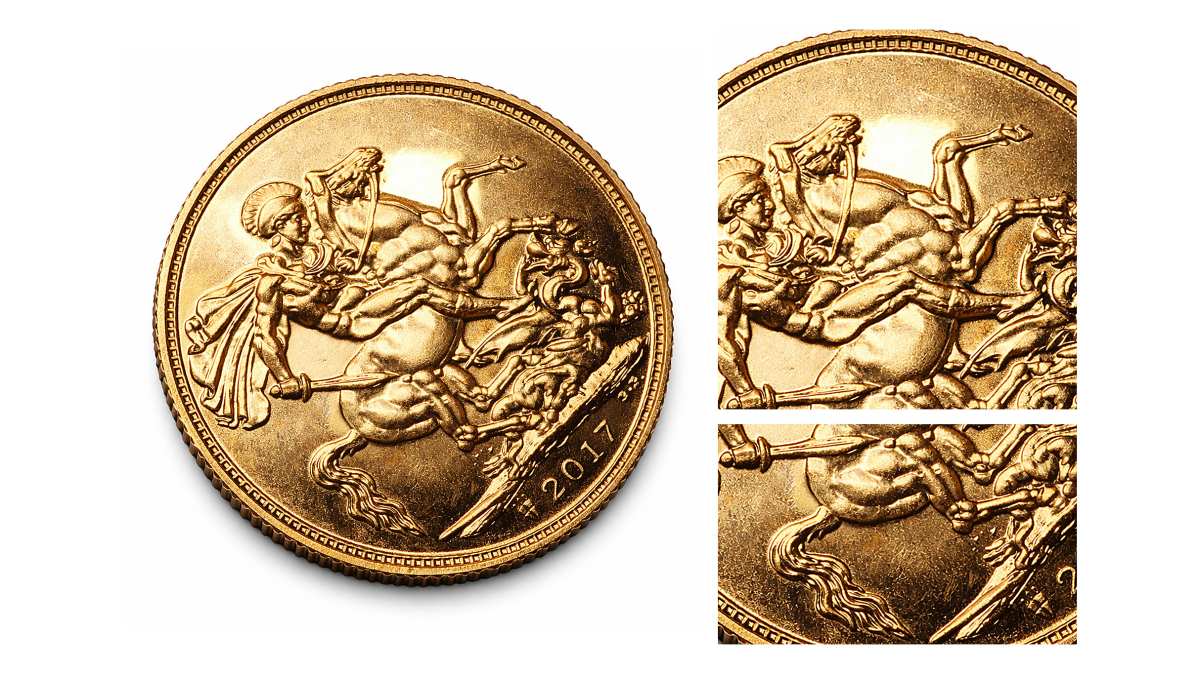
Full sovereigns work best if you're building a core holding. You'll accumulate meaningful gold weight without needing dozens of coins. The trade-off is higher upfront cost per coin, which matters if you're testing the market or have limited capital.
Quarter Sovereigns: Affordable Entry Point
Quarter sovereigns hold 0.0588 troy ounces of fine gold, roughly one-quarter of a full sovereign. At £450, they're accessible for investors building positions gradually or testing their comfort with physical gold ownership. The 2023 King Charles III Quarter Gold Sovereign and 2020 Winston Churchill Commemorative Gold Coin exemplify how quarter sovereigns combine modern legal tender status with commemorative appeal.

Quarter sovereigns suit portfolio diversification and gifting. You can spread capital across multiple coins without the commitment of full sovereigns. The downside: per-unit premiums are slightly higher, so you pay more for equivalent gold weight compared to buying full sovereigns.
Small Bullion Coins: Collectible and Portable
Coins like the 2010 St George and the Dragon 5 Dollar Gold Coin at £145 and the Icons of the World series (Kiwi and Panda) offer fractional gold exposure at lower entry points. These typically contain 0.5 grams or less of fine gold and appeal to collectors as much as investors.
Small bullion coins excel for portfolio layering, adding exposure without large single purchases. They're also easier to gift or liquidate in small amounts. However, the dealer spread on small coins is proportionally higher, so your cost per troy ounce of gold increases. They're best suited to investors with modest budgets or those building diversified collections rather than core bullion holdings.
Gold Coins vs Gold Bars: Which Suits Your Portfolio
The choice between gold coins and gold bars hinges on liquidity, storage, and your investment horizon. Both hold intrinsic gold value, but the mechanics differ.
Gold bars offer purity and weight certainty, typically available in 1-gram to 1-kilogram sizes. They carry lower premiums than coins because they lack legal tender status and numismatic appeal. For pure bullion accumulation, bars are efficient, you get more gold per pound spent.
Gold coins, by contrast, command a premium over spot price. This premium exists because coins are recognised as legal tender, easier to trade in smaller quantities, and carry established liquidity through dealers and collectors.
Choose coins if you value liquidity, tax efficiency, and the ability to sell fractional amounts. Choose bars if you're accumulating large quantities and want to minimise premium costs. Many investors use both: coins for flexibility and tax advantages, bars for core holdings where premium efficiency matters.
Understanding Gold Coin Premiums and Pricing
The premium is the difference between a coin's price and its intrinsic gold value. For a full sovereign containing 0.2354 troy ounces, the premium reflects dealer costs, rarity, condition, and market demand.
Modern bullion sovereigns typically trade at 3-8% above spot price. Historical coins can command 10-30% premiums depending on rarity and condition. Commemorative quarter sovereigns often carry 15-25% premiums because they're limited editions with collector appeal.
Understanding premiums prevents overpaying. Calculate the cost per troy ounce by dividing the purchase price by the fine gold content. Compare this figure across coins to identify better value. A coin priced at £1,050 with 0.2354 troy ounces costs roughly £4,460 per troy ounce, while a bar of equivalent weight might cost £4,200. That £260 difference is the premium you're paying for legal tender status and liquidity.
Verifying Authenticity and Avoiding Counterfeits
Counterfeit gold coins exist, particularly for high-value sovereigns. Protecting yourself requires basic authentication skills and dealing with reputable sources.
Examine weight and dimensions first. Genuine sovereigns weigh 7.98 grams with a diameter of 22.05 millimetres. A digital scale accurate to 0.1 grams and calipers will catch obvious fakes. Feel the coin's heft, counterfeit coins often feel subtly wrong because the counterfeiter used incorrect alloys.
Check the finish and strike quality. Genuine bullion coins show consistent striking with sharp details on the design. Proof coins have mirror fields and frosted designs. If the coin looks dull or poorly struck, suspect counterfeiting. Examine the edge for proper milling (fine lines running around the perimeter on sovereigns).
2017 Queen Elizabeth II Full Gold Sovereign →
Reputable dealers provide certification or guarantee authenticity. Gold2u sends every coin with documentation and offers video viewings before purchase. This transparency protects you against receiving damaged or questionable coins.
How to Sell Gold Coins: Liquidity and Resale Value
Selling investment-grade gold coins is straightforward because their value ties directly to spot gold price. You won't struggle to find buyers, the challenge is getting fair value.
Bullion dealers offer the fastest exit, typically buying at 2-5% below spot price. This spread reflects their cost to verify, store, and resell. Selling to dealers takes days and requires no negotiation.
Liquidity varies by coin type. Full sovereigns and Britannia coins sell quickly because demand is consistent. Commemorative quarter sovereigns take longer because fewer collectors want them. Small bullion coins like the Icons of the World series attract niche buyers, so liquidation may take weeks.
Factor resale costs into your purchase decision. If you buy a coin at a 15% premium and sell at a 4% discount to spot, you've given up nearly 20% of your purchase price. Over a 5-year holding period with gold appreciating 40%, this matters less.
| Coin Type | Typical Premium | Dealer Buyback Spread | Resale Timeline |
|---|---|---|---|
| Full Sovereign | 3-8% | 2-5% below spot | 1-3 days |
| Quarter Sovereign | 15-25% | 4-8% below spot | 1-2 weeks |
| Small Bullion | 10-20% | 5-10% below spot | 2-4 weeks |
| Historical Sovereign | 10-30% | Varies widely | 2-8 weeks |
Tax Treatment and Capital Gains Exemptions
Investment-grade gold coins enjoy significant tax advantages in the UK. Sovereigns and certain other government-minted bullion coins are exempt from capital gains tax, meaning any profit when you sell is tax-free.
The exemption also covers VAT on purchase. You pay no sales tax when buying from authorised dealers, unlike gold bars or jewellery. This 20% saving alone justifies choosing coins over bars for UK investors.
Collectible coins with numismatic value may not qualify for the exemption if their value derives primarily from rarity rather than gold content. Determining the threshold requires examining whether the coin trades at a significant premium above spot price due to collector demand.
Keep records of purchase dates and prices. If HMRC questions whether a coin qualifies for exemption, documentation helps prove your position. Gold2u provides purchase records that support your tax position.
Building Your Gold Coin Investment Strategy
A coherent strategy prevents reactive buying and overpaying. Start by defining your goals: are you hedging inflation, diversifying away from paper assets, or building a collectible portfolio?
For inflation hedging and diversification, focus on full sovereigns and established bullion coins. These offer the tightest premiums and best liquidity.
For collectors, blend bullion coins with historical pieces. A portfolio mixing modern sovereigns with rare dates like the 1917 Perth Mint piece offers both gold exposure and potential appreciation from numismatic demand.
Allocate gold coins to a specific percentage of your portfolio, typically 5-15% for investors seeking diversification. This prevents overcommitment to a single asset class while ensuring meaningful exposure.
Store coins securely. Home safes work for smaller holdings; larger portfolios warrant allocated storage with insurance. Allocated storage means you own specific coins held in a vault, with documentation proving ownership.
Building a gold coin portfolio requires patience and discipline. At Gold2u, we help investors navigate the selection and authentication process with transparent pricing and detailed documentation.
Frequently Asked Questions
What makes a gold coin investment grade?
Investment-grade gold coins must meet specific criteria: government minting, recognised bullion status, consistent fineness and weight, and active market liquidity. Coins like the British sovereign contain 22-carat gold (0.916 fineness) and are legal tender, making them VAT exempt and exempt from capital gains tax. The coin must be struck from recognised mints and maintain a stable premium over spot price. Historical rarity alone doesn't determine investment grade; coins must combine metal value with proven resale demand.
Are gold coins or gold bars better for investment?
Gold bars offer lower premiums and higher purity, making them cost-effective for large accumulations. Gold coins provide better divisibility, easier resale in smaller quantities, and legal tender status in many cases. Coins also appeal to collectors, creating dual value. For portfolio diversification, many investors hold both: bars for core holdings and coins for liquidity and flexibility. Your choice depends on capital available, storage space, and how quickly you might need to sell portions of your holding.
How do I verify a gold coin is authentic and not counterfeit?
Check weight using a precision scale: a full sovereign weighs 7.98 grams with 7.3224 grams of pure gold. Examine the mint mark, date, and design details under magnification for sharpness and consistency. Buy from established dealers who provide certification and video viewings of individual coins. Reputable dealers like Gold2u send each coin with documentation and free insured delivery, reducing counterfeiting risk. If buying from auction or private sellers, request third-party grading certificates.
What is the total cost of buying and selling gold coins?
When buying, expect to pay spot price plus a dealer premium (typically 5-15% depending on coin type and market conditions). Quarter sovereigns at £450 contain roughly £380-400 in gold value, with the remainder covering dealer margin and production costs. When selling, you'll receive slightly less than current spot price due to dealer spreads. Factor in storage insurance if holding coins long-term. For break-even, gold must appreciate enough to cover both the purchase premium and sale discount. Historical data shows this typically requires 3-5 years of holding, depending on market conditions and your entry point.
Are gold coins exempt from capital gains tax?
British legal tender gold coins, including sovereigns and half-sovereigns, are exempt from capital gains tax in the UK. This exemption applies only to coins minted after 1837 and recognised as legal tender. Non-legal-tender collectible coins and commemorative pieces may be subject to capital gains tax on profits. Always verify the specific status of each coin before purchase. This tax advantage makes sovereigns particularly attractive for long-term investors compared to gold bars, which attract capital gains tax on profits above the annual exemption threshold.


0 comments