

Table of Contents
- Why Collect Rare Sovereign Gold Coins
- Investment Potential and Portfolio Diversification
- How to Authenticate Rare Gold Coins and Verify Provenance
- Coin Grading and Certification Standards
- Numismatic Value Beyond Gold Content
- Rare Coin Storage and Preservation Best Practices
- Tax Advantages and Liquidity for Collectors
- Conclusion
- Frequently Asked Questions
Last Updated: October 17, 2026
Why Collect Rare Sovereign Gold Coins
Rare sovereign gold coins occupy a unique space between investment and collecting. They offer tangible physical gold with intrinsic bullion value, but they also carry historical significance and collectible appeal that can drive prices well above spot gold rates. For investors seeking portfolio diversification beyond paper assets, rare sovereign gold coins provide a hedge against currency depreciation and economic uncertainty. For collectors, they represent authentic historical artifacts spanning centuries of British monetary history.
The distinction matters. A bullion sovereign trades primarily on its gold content, currently around 7.32 grams of pure gold per full sovereign. A rare sovereign, by contrast, commands a premium based on mintage, rarity, condition, and historical association. An 1871 Queen Victoria Full Gold Sovereign with a die number, for example, carries collector demand that pushes its value significantly beyond its intrinsic gold content. This is where numismatic value enters the picture.

What makes rare sovereigns compelling is their liquidity relative to other collectibles. Unlike fine art or vintage cars, gold coins have a transparent secondary market. You can sell a graded rare sovereign through dealers, auction houses, or private buyers with relative ease. The gold content alone provides a floor value, while the numismatic premium offers upside. This flexibility is what distinguishes coins from illiquid collectibles.
Investment Potential and Portfolio Diversification
Physical gold has long served as a hedge against inflation and currency risk. Rare sovereign gold coins extend that principle by adding a collectibility layer. According to research on precious metals as portfolio diversification tools, physical gold holdings can reduce portfolio volatility during periods of economic stress. When equities and bonds falter, tangible assets like gold tend to hold or gain value.
For rare sovereigns specifically, the investment case rests on two components: the underlying gold value and the numismatic premium. The gold value tracks the spot price, a transparent, globally traded benchmark. The numismatic premium, however, depends on demand from collectors, rarity, condition, and historical significance. This dual-value structure means a rare sovereign can appreciate even if gold prices remain flat, provided collector demand strengthens.
The affordability factor deserves emphasis. A full sovereign weighs 7.98 grams and contains 7.32 grams of pure gold. Compared to larger bullion units like 1-ounce bars or coins, sovereigns offer fractional gold exposure at a more accessible entry point. You can build a diversified precious metals portfolio with sovereigns, half sovereigns, and quarter sovereigns without committing capital to larger units. Gold2u's 2023 King Charles III Quarter Gold Sovereign at £450.00 demonstrates this flexibility.
Liquidity matters when you need to exit. Unlike real estate or fine art, rare sovereigns can be sold quickly through established dealer networks. Most reputable dealers offer buyback services or facilitate private sales. This flexibility makes sovereigns suitable for investors who may need to access capital without a lengthy liquidation process.

How to Authenticate Rare Gold Coins and Verify Provenance
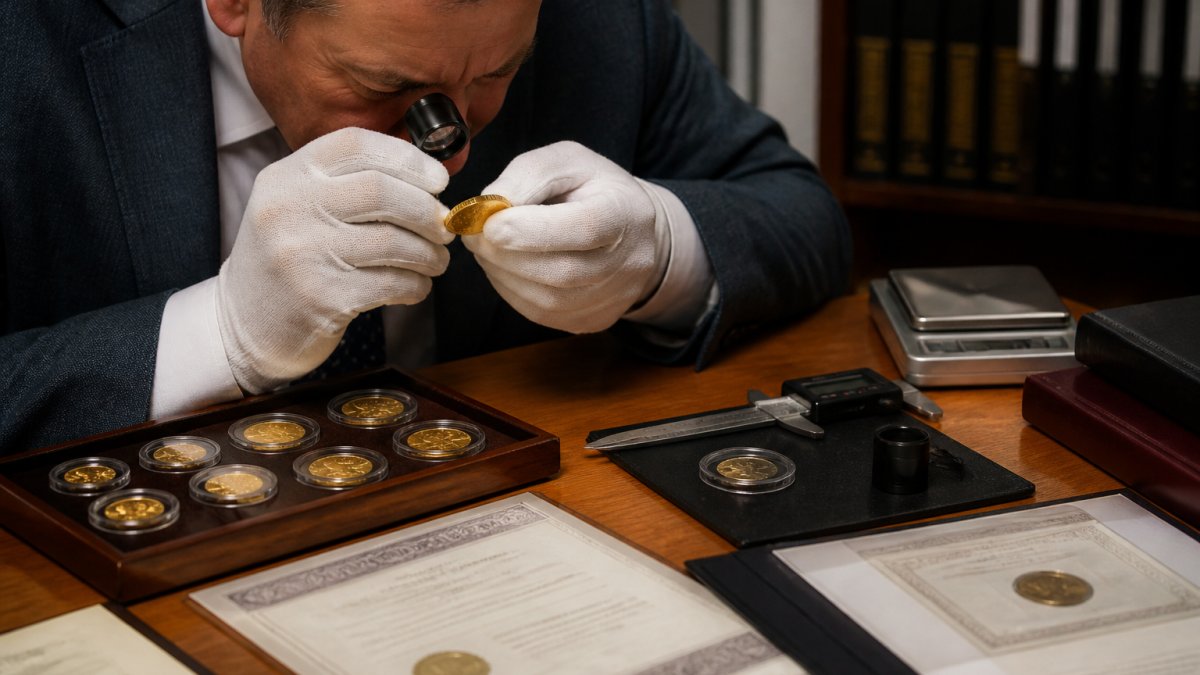
Authentication is where many collectors stumble. Counterfeits exist, particularly for rare dates and low-mintage years. Verifying authenticity requires three checks: weight verification, visual inspection, and certification documentation.
Weight is your first line of defence. A full sovereign should weigh 7.98 grams. A half sovereign weighs 3.99 grams. Use a precision scale accurate to 0.01 grams. Counterfeit coins often deviate by 0.1-0.3 grams, enough to flag them immediately. Record the weight before purchase if buying from a dealer; most reputable sellers provide this data.
Visual inspection examines die characteristics, edge milling, and surface finish. Each sovereign year has documented die variations. Consult references like the Royal Mint's official records or specialist catalogues to verify die numbers and design details. Counterfeits typically show softer details, uneven striking, or incorrect edge milling. A magnifying glass (10x magnification) reveals these inconsistencies quickly.

Provenance documentation establishes ownership history and authenticity. When purchasing from established dealers like Gold2u, request certificates of authenticity and purchase receipts. These documents create a traceable chain that protects your investment and supports future resale.
Coin Grading and Certification Standards
Grading standardises condition assessment across the rare coin market. The Sheldon scale, developed for numismatic grading, ranges from 1 (poor) to 70 (perfect mint state). Most rare sovereigns fall between grades 20 and 65, depending on circulation wear and preservation.
Professional grading services like Numismatic Guaranty Company and Professional Coin Grading Service examine coins under controlled conditions and assign grades. They then encapsulate the coin in a tamper-evident holder with a certificate. This third-party assessment removes subjectivity and supports market value. A sovereign graded MS-63 (Mint State 63) by an established service commands a premium over an ungraded coin of similar appearance, because buyers trust the independent assessment.
Condition directly affects value. A sovereign in MS-65 (Gem Mint State) with sharp details and minimal surface marks trades at a substantial premium over the same coin in VF-30 (Very Fine 30) with moderate wear. For rare dates like the 1871 Queen Victoria Full Gold Sovereign, grading differences can represent hundreds of pounds in value.
Certification also protects against misrepresentation. When you purchase a certified sovereign, the holder includes the grade, date, mint mark, and die variety. This documentation eliminates disputes about authenticity or condition. For serious collectors building high-value portfolios, certification is non-negotiable.
Numismatic Value Beyond Gold Content
Numismatic value is the premium collectors pay above intrinsic gold value. It reflects rarity, historical significance, collector demand, and condition. Understanding its components helps you identify coins with appreciation potential.
Rarity by mintage is the most straightforward driver. Sovereigns struck in lower quantities command higher premiums. For example, the 1917 King George V Full Gold Sovereign struck at Perth Mint carries rarity because Australian mint-marked sovereigns are less common than London Mint issues.
Historical association amplifies value. Sovereigns from significant years, coronation years, jubilee years, or final years of a reign, attract collector interest. The 2025 Royal Mint Three-Coin Gold Proof Sovereign Set, marked with the 200th anniversary of the Royal Arms design, carries historical significance beyond its gold content.
Die variations and mint marks create micro-rarities within single years. A sovereign with a specific die number or unusual mint mark can trade at a substantial premium over a standard example.
1871 Queen Victoria Full Gold Sovereign →
Condition preservation directly influences numismatic premium. A well-preserved sovereign in original luster commands a higher premium than a cleaned or harshly handled example. Collectors prize original surfaces, sharp details, and minimal intervention. This is why proper storage and handling matter, they preserve the numismatic premium you've paid for.
Rare Coin Storage and Preservation Best Practices
Storage conditions directly impact long-term value. Gold itself is chemically inert, but the environment surrounding it matters. Temperature fluctuations, humidity, and exposure to corrosive elements can degrade a sovereign's surface and reduce numismatic premium.
Store sovereigns in a stable environment between 15-21°C with humidity controlled between 30-50%. Avoid basements (prone to moisture) and attics (temperature swings). A climate-controlled safe deposit box at a bank provides ideal conditions.
Handling introduces risk. Oils from bare skin can leave fingerprints and accelerate surface oxidation. Always wear cotton gloves when handling sovereigns. Never clean coins with abrasive materials, solvents, or commercial polishes. If a coin requires cleaning, consult a professional numismatist, improper cleaning destroys value.
Capsules and holders protect against physical damage and environmental exposure. Certified coins come in tamper-evident holders that preserve condition. For uncertified sovereigns, use inert plastic capsules specifically designed for numismatic coins. Avoid PVC-containing holders, which can leach chemicals that damage the coin's surface.
Documentation completes the preservation strategy. Photograph each coin with identifying details (date, mint mark, die number). Record serial numbers from certificates. Store this documentation separately, a fireproof safe or digital backup. If loss or theft occurs, documentation supports insurance claims and helps track stolen pieces.
Tax Advantages and Liquidity for Collectors
Gold sovereigns enjoy a unique tax status in the UK. According to HM Revenue and Customs guidance on precious metals, UK-minted gold coins like sovereigns are exempt from capital gains tax when sold.
This exemption represents a significant advantage over other collectibles. If you purchase a sovereign for £1,100 and sell it five years later for £1,500, the £400 gain is not subject to capital gains tax.
The exemption carries conditions. The sovereign must be legal tender and of numismatic importance. Bullion sovereigns (uncirculated, modern issues) qualify. Rare historical sovereigns clearly qualify. However, documentation supporting the exemption status is advisable.
Liquidity also addresses the practical question: can you actually sell when needed? Rare sovereigns have multiple exit routes. Established dealers like Gold2u offer buyback services. Auction houses specialising in numismatics reach serious collectors willing to pay premiums for rare pieces.
The 1999 Queen Elizabeth II Gold Half Sovereign - Proof at £600.00 illustrates the point. A collector who purchased this coin a decade ago can sell it today through multiple channels within days.
Conclusion
Collecting rare sovereign gold coins combines investment fundamentals with historical collecting. The dual-value structure, intrinsic gold content plus numismatic premium, creates flexibility for both conservative investors and serious collectors. Authentication, grading, and proper storage protect your investment and preserve the numismatic premium you've paid for.
At Gold2u, we specialise in curated rare sovereigns with verified provenance and authentication. Our collection includes rare historical pieces like the 1871 Queen Victoria Full Gold Sovereign with Die Number 75, limited-edition proof sets like the 2025 Royal Mint Three-Coin Gold Proof Sovereign Set, and accessible entry points like the 2023 King Charles III Quarter Gold Sovereign. Every coin is photographed individually and backed by our commitment to authenticity. Start building your rare sovereign collection with Gold2u today and access rare historical gold coins with confidence.
Frequently Asked Questions
What makes a sovereign gold coin rare?
Rarity in rare sovereign gold coins stems from mintage numbers, mint marks, die variations, and historical significance. Coins struck in limited quantities, such as the 1871 Queen Victoria Full Gold Sovereign with Die Number 75, command premiums. Specific mint marks (like the Perth Mint 'P' on the 1917 King George V) also increase rarity. Low survival rates and condition scarcity further elevate value beyond intrinsic bullion content, making authenticated examples highly sought by collectors.
How can provenance affect a sovereign coin's value?
Provenance, the documented ownership history, significantly impacts rare sovereign gold coin value. Coins with clear, traceable provenance from reputable collections or institutions command higher prices and buyer confidence. Authenticated documentation proving origin, previous ownership, and condition history reduces counterfeiting risk and validates numismatic claims. Without provenance, even rare coins face valuation uncertainty. Gold2u provides each coin with video viewing options to establish trust and authenticity before purchase.
Are rare sovereign gold coins a good investment?
Rare sovereign gold coins offer dual-asset benefits: intrinsic gold value plus numismatic premiums. Unlike standard bullion, rare coins preserve wealth through inflation, provide portfolio diversification, and appreciate through collector demand and historical scarcity. However, investment returns depend on rarity, condition, and market timing. Coins like the 1917 Perth Mint Sovereign (£1,200) and 2025 Three-Coin Proof Set (£2,250) combine physical gold security with collectible upside. Consult your financial adviser to assess fit within your portfolio strategy.
How should rare gold coins be stored?
Rare gold coins require climate-controlled storage in acid-free holders or certified capsules to prevent tarnishing and oxidation. Avoid PVC-containing materials that cause irreversible damage. Store in a home safe, safety deposit box, or professional vault to protect against theft and environmental degradation. Keep detailed inventory records and photographs separate from the coins. Maintain consistent humidity below 50% and stable temperature to preserve condition and numismatic value over decades.
What tax advantages do rare sovereigns offer?
British gold sovereigns, including rare collector coins, are exempt from Capital Gains Tax when sold, provided they meet purity standards (916.7 fineness). This tax efficiency distinguishes sovereigns from other precious metals and collectibles, enhancing long-term wealth preservation. Additionally, sovereigns are VAT-free as legal tender bullion coins. However, tax treatment depends on individual circumstances and disposal intent, consult a tax adviser to confirm eligibility and reporting requirements for your specific situation.


0 comments