

Table of Contents
- Gold Coin Dealer Comparison: What Sets These Two Apart
- Gold Coin Premiums and Fees: Understanding Total Purchase Costs
- How to Verify Gold Coin Authenticity Before You Buy
- Selling Gold Coins for Liquidity: Buyback Terms and Resale
- Investment Potential and Portfolio Diversification
- Delivery, Storage, and Customer Support Comparison
- Which Dealer Should You Choose?
- Frequently Asked Questions
Last Updated: October 10, 2026
Gold Coin Dealer Comparison: What Sets These Two Apart
When you're ready to invest in physical gold, choosing the right dealer matters as much as the decision to buy itself. American Gold Exchange vs AC Silver represents a choice between two prominent names in the UK precious metals market, yet they operate quite differently. Understanding those differences, in how they source products, price them, verify authenticity, and handle resale, can save you thousands of pounds and spare you the frustration of a poor purchase.
This guide breaks down what separates these two dealers so you can make an informed choice based on your actual needs.
Gold Coin Premiums and Fees: Understanding Total Purchase Costs
Dealers add premiums on top of the spot price (current market rate for physical gold), which vary significantly between dealers and product type. A premium covers sourcing, grading, storage, insurance, and profit margin, and small percentage differences compound quickly on larger purchases.
Premium Structure by Coin Type
Bullion coins (Britannia, Sovereign, American Eagle) typically carry 2-4% premiums.
Semi-numismatic coins (older Sovereigns, commemorative issues) attract 5-8% premiums and appeal to buyers seeking collector value without rare-coin costs.
Historical and rare coins are priced individually based on rarity, condition, provenance, and collector demand, often 50-100%+ above metal content. Both dealers focus on bullion and semi-numismatic coins but will source rarer pieces on request.
Additional Costs Beyond Premium
Request an itemised breakdown including: delivery fees (£20-£50, sometimes free above £5,000-£10,000), payment surcharges (1-2% for credit card), vault storage (£50-£200 annually), and third-party grading (£15-£50 per coin).
Worked Example: Total Cost Comparison
Consider purchasing a single ounce Britannia coin when spot gold is £2,000 per ounce:
American Gold Exchange scenario:
- Spot price: £2,000
- Premium (3.5%): £70
- Delivery: £25
- Payment by credit card (1.5% surcharge): £31
- Total cost: £2,126
AC Silver scenario (same coin, same spot price):
- Spot price: £2,000
- Premium (3%): £60
- Delivery: £20
- Payment by bank transfer: £0
- Total cost: £2,080
The difference is £46 on a single coin, roughly 2.2% of total cost. On a £10,000 purchase of multiple coins, similar percentage differences translate to £200-£300 in total cost variance. Over time, that difference affects your overall return when you eventually sell.
How to Request and Compare Quotes
Request a written quote specifying: exact coin type and grade, quantity, payment method, delivery or vault storage preference, and grading requirements. This forces transparency and enables straightforward comparison. Many dealers adjust premiums for larger orders, so don't accept the first quote as final.
The lowest premium isn't always the best choice if delivery is slow, buyback terms are poor, or support is weak. Understanding total cost upfront prevents surprises and ensures fair comparison.
How to Verify Gold Coin Authenticity Before You Buy
Authenticity is non-negotiable. Counterfeit gold coins exist and are sophisticated enough to fool casual buyers. Understand how you'll verify authenticity before purchasing.
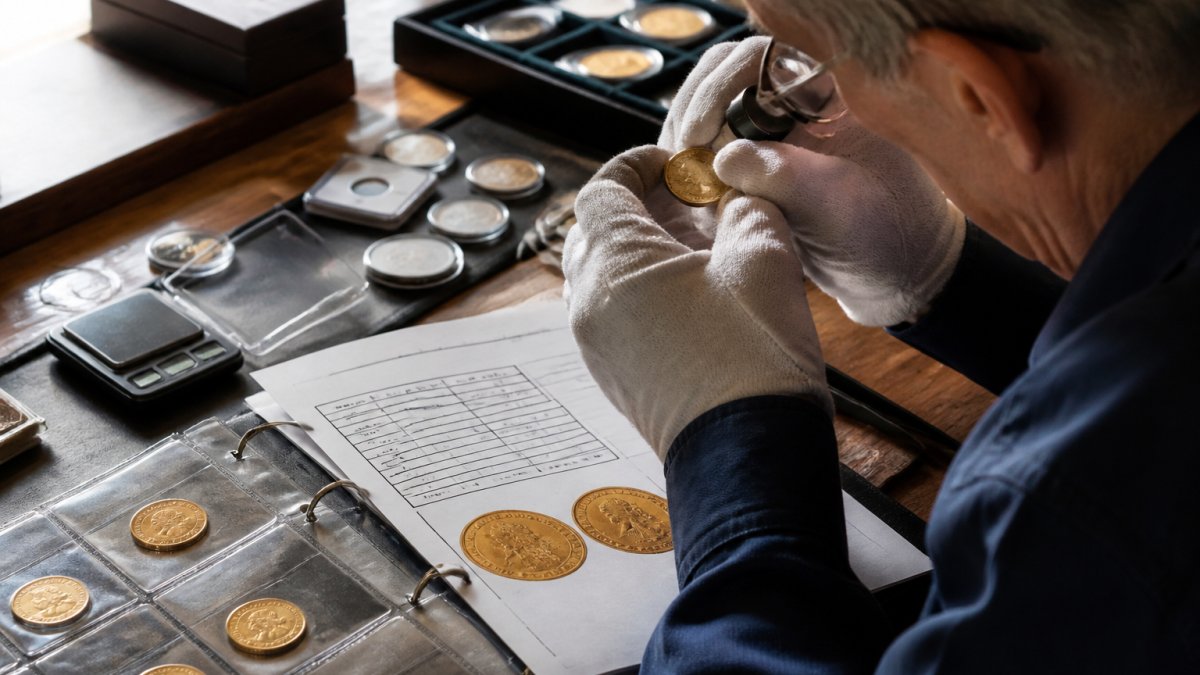
Reputable dealers provide grading certificates from recognised third-party labs like NGC or PCGS. A certified coin comes in a tamper-proof holder with a unique reference number, your proof of authenticity and grade. Third-party certification is safer than in-house authentication because it's independent. If a dealer refuses third-party grading, that's a red flag.
When you receive a coin, verify weight and dimensions with a precision scale, examine surface detail under magnification for consistent sharpness, and confirm the certificate number with the grading lab's database.
Selling Gold Coins for Liquidity: Buyback Terms and Resale
Liquidity matters: how easily can you sell, and what will you receive? Buyback terms and resale experience vary dramatically between dealers and directly affect your exit strategy.
Buyback Eligibility and Scope
Eligibility rules differ: some dealers buy only coins they originally sold; others purchase from any source if authentic and in acceptable condition.
Buyback Pricing Mechanics
Dealers calculate spot price, deduct a margin (2-8% depending on volatility and coin type), and offer the remainder. Calm markets see tighter margins (2-3%); volatile periods see wider margins (5-8%). Dealers typically apply 2-8% margins on bullion coins, depending on volatility and coin type. Both require quotes for exact offers.
Condition Standards and Rejection Criteria
Condition affects buyback offers: bullion condition (uncirculated, no damage) receives full spot-based offers; near-bullion (light wear) drops 1-2%; circulated (moderate wear) drops 3-5%; damaged or cleaned coins drop 10-20% or are rejected.
Resale Process and Timeline
The resale process: contact the dealer with coin details, receive a preliminary quote (valid 24-48 hours), send coins for inspection, receive a final offer (2-5 working days), and accept payment by bank transfer, cheque, or cash.
If you need immediate cash, some dealers offer same-day payment if you visit their premises in person.
Comparing Offers from Multiple Dealers
Prices can vary by hundreds of pounds on the same coin, so always compare offers before accepting. Send the same coins to 2-3 dealers and compare their final offers. The difference between the highest and lowest offer often exceeds 2-3%, which is material on larger quantities.
Some dealers offer better rates if you accept payment by bank transfer (faster for them, lower processing cost). Others charge more if you want immediate cash or cheque payment. Factor these differences into your comparison.
Resale Experience and Support
The resale experience also depends on how the dealer handles disputes or concerns. If you disagree with their condition assessment or final offer, can you appeal? Do they explain their reasoning? Are they willing to negotiate?
Before selling a large quantity, ask about their dispute resolution process. A dealer willing to discuss concerns openly signals confidence in their valuation.
Read independent reviews on platforms such as Trustpilot to see how each dealer handles resale disputes. Look for patterns: Do customers report fair offers? Are complaints resolved quickly? Do dealers respond to negative reviews professionally?
Practical Tip: Timing Your Sale
Gold prices fluctuate daily. If you're selling a significant quantity, consider splitting the sale across 2-3 weeks to average your exit price. This reduces the risk of selling during a temporary dip. Conversely, if you need immediate liquidity, accept that you may not get the absolute best price, the cost of speed.
Investment Potential and Portfolio Diversification
Gold serves different purposes in different portfolios. For some investors, it's a hedge against inflation and currency fluctuations. For others, it's a store of wealth that's uncorrelated with stocks and bonds. Rare coins add a third dimension: they can appreciate based on numismatic value, not just metal content.
Bullion coins, like the UK Sovereign or American Eagle, track spot price closely. You're buying the metal content plus a small premium. These coins suit investors focused on wealth preservation and portfolio diversification. They're liquid, widely recognised, and relatively affordable.
Historical and rare coins operate differently. Their value depends on rarity, condition, historical significance, and collector demand. A coin might contain one ounce of gold worth £2,000, but sell for £5,000 because it's a scarce date or mint mark. That premium can grow over time as collectors compete for limited supply. It can also shrink if collector interest wanes.
The choice between bullion and rare coins depends on your investment horizon and risk tolerance. Bullion is straightforward and predictable. Rare coins offer upside potential but require knowledge to avoid overpaying. Many investors hold both: bullion for stability, rare coins for growth.
Gold2u specialises in historical gold coins and natural gold nuggets, making it the choice if you're seeking pieces with genuine rarity and provenance.
Delivery, Storage, and Customer Support Comparison
How you receive your coins and where they're stored matters more than most buyers realise. Delivery logistics, storage options, and the support you get if something goes wrong shape your entire experience.
Most dealers offer insured delivery to your home or a secure vault. Insured delivery typically costs £20-£50 depending on order value and destination. Vault storage is more expensive, usually £50-£200 annually depending on quantity, but it removes the responsibility of securing physical gold yourself.
When something goes wrong, a delayed delivery, a damaged coin, a disputed grade, support quality becomes critical. Gold2u's approach emphasises resolution over process. We work directly with customers to address concerns rather than hiding behind standard terms.
Ask any potential dealer about their complaint history before you buy. How are they resolved? Do they have independent reviews or ratings? Transparency here signals confidence in their service.
Which Dealer Should You Choose?
When comparing dealers, the right choice depends on what you're actually buying and why. If you want straightforward bullion coins at competitive prices, many dealers serve that purpose adequately. Premiums and delivery costs are comparable. Many offer authentication and buyback.
The real difference emerges when you move beyond basic bullion. If you're seeking historical coins with genuine provenance, rare pieces with collector value, or natural gold nuggets, many dealers have limitations. Few specialise in those categories the way Gold2u does.
Gold2u offers curated historical gold coins, natural Australian gold nuggets, and antique old mine cut diamond jewellery, pieces selected for authenticity, rarity, and investment potential. Every item comes with documentation and provenance. Our team understands numismatic value, not just metal content. That expertise matters when you're buying something meant to appreciate over decades.
For collectors and serious investors seeking rare pieces with upside potential, Gold2u is the better choice. We've built our reputation on sourcing pieces that hold and grow value, not just storing metal.
Frequently Asked Questions
How does American Gold Exchange compare with AC Silver for buying gold coins?
Many dealers offer gold bullion and coins, but they differ in product range, premium structures, and service focus. Premiums vary by product type and order size. Compare current pricing on specific coins you want, check buyback spreads, and review authentication processes before deciding which gold coin dealer comparison best suits your portfolio needs.
What should I check about authenticity and condition before buying a coin?
Request certification from an independent grading service, verify weight and dimensions match published specifications, examine surface markings and lustre under magnification, and ask for detailed photographs of both sides. Check the dealer's authentication guarantee and whether they offer third-party grading reports. Authentic coins show consistent striking patterns and metal colour. Avoid coins with unusual wear patterns or misaligned designs. Reputable dealers provide detailed condition descriptions and provenance documentation to support how to verify gold coin authenticity claims.
How easy is it to resell gold coins bought from a specialist dealer?
Resale ease depends on the coin's rarity, condition, and current spot price demand. Standard bullion coins (Sovereigns, Britannias) sell readily on the secondary market, often within days. Rare historical pieces may take longer but command higher premiums. Check the dealer's buyback terms before purchasing, some offer guaranteed buyback at fixed spreads, whilst others quote spot price only. Selling gold coins for liquidity works best with certified, well-documented pieces. Compare buyback spreads between dealers to understand your exit costs upfront.
How do gold coin premiums and fees affect my total purchase cost?
Premiums are the markup above spot price, typically 5-15% for bullion coins and 20%+ for rare pieces. Fees may include delivery, insurance, and handling charges. Total cost = spot price + premium + fees. Premiums vary based on order size and product type. Larger orders often attract lower percentage premiums. Always request a full cost breakdown before committing. Comparing gold coin premiums and fees across dealers reveals significant differences in value for the same coin.
Investing in physical gold is a long-term commitment. The dealer you choose influences your costs, your confidence in authenticity, your ability to sell later, and ultimately your returns. Spend time comparing not just prices, but the full experience: how transparent are they about fees, how credible is their authentication, how responsive is their support? Get started with Gold2u and access a collection of rare and historical precious items selected for genuine value and provenance.


0 comments