

Table of Contents
- Why Collectors Look Beyond Modern Bullion
- Natural Gold Nuggets as Collector Alternatives
- Historical Gold Coins: Investment and Collectibility
- How to Value Gold Coins and Rare Pieces
- Gold Coin Liquidity: Resale and Market Depth
- Antique Gold Jewellery and Heirloom Pieces
- Comparison: Premiums, Storage, and Collector Goals
- Building Your Collection: Key Considerations
- Frequently Asked Questions
Last Updated: October 8, 2026
Why Collectors Look Beyond Modern Bullion
Modern bullion coins and bars offer liquidity and straightforward spot-price value, but they lack what collectors increasingly seek: character, rarity, and the premium that comes with historical significance or geological uniqueness. At Gold2u, we work with collectors who are chasing pieces with stories.
Modern bullion treats gold as a commodity: you buy it, track the spot price, and sell it back at a predictable margin. That works for investors focused purely on metal content, but collectors want pieces that appreciate beyond their gold weight, reflect craftsmanship or natural formation, and hold value even when gold prices dip.
Alternatives to modern bullion for collectors fall into distinct categories. Natural gold nuggets offer geological rarity and individuality. Historical gold coins combine numismatic premium with investment security. Antique gold jewellery brings provenance and craftsmanship. Each category carries different liquidity profiles, premium structures, and collecting strategies. Understanding these differences is essential before committing capital.
Natural Gold Nuggets as Collector Alternatives
Uniqueness and Geological Character
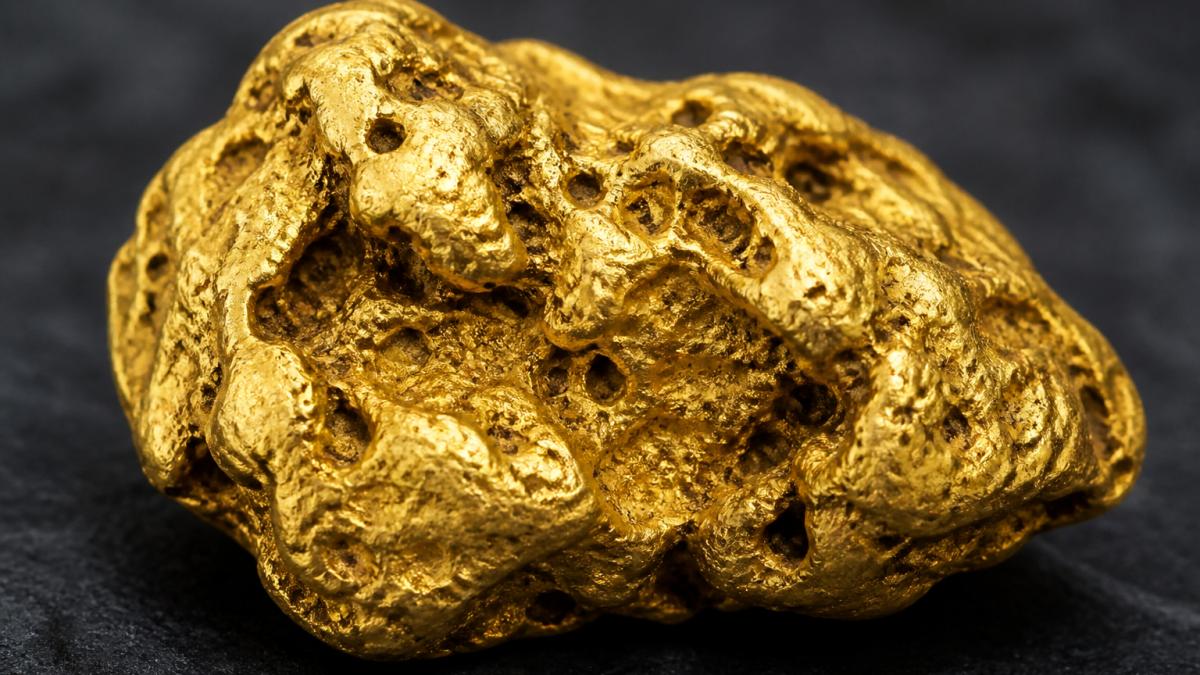
Natural gold nuggets form over millions of years through geological processes that cannot be replicated in a refinery. Shape, surface texture, mineral inclusions, and cavities make every piece distinct, separating them from bullion coins struck to identical specifications.
Collectors value this uniqueness because no two pieces are ever the same: a nugget becomes a geological specimen as much as a store of value. The Australian gold nuggets offered by Gold2u display the organic structure and character that appeals to collectors seeking natural formation over manufactured uniformity.
Geological character also matters for authentication. A nugget's surface tells its formation story: scratches, oxidation patterns, and structural integrity are visible evidence of authenticity, appealing to collectors who want to verify what they're buying without relying on third-party certification alone.
Pricing and Value Retention
Natural gold nuggets typically command a premium above spot price, but that premium varies significantly based on size, purity, and aesthetic appeal. Smaller nuggets (under 1 gram) trade closer to spot price, making them accessible entry points for new collectors. Larger specimens (5+ grams) develop stronger collector appeal and wider premiums.

Gold2u's range demonstrates this spread. The 0.2043g budget nugget at £42.90 offers new collectors an affordable way to enter the market. Mid-range lots like The Prospector's Lot (4.632g) at £1,227.48 balance collector appeal with reasonable entry cost. Larger specimens like The Boss (8.055g) at £2,899.57 attract serious collectors willing to pay for size and presence.
Value retention depends on several factors. Purity (92-98% natural gold in Australian specimens) ensures metal content value. Size and visual appeal determine collector demand. Provenance matters, nuggets sourced from respected regions like Australia command steadier premiums than unverified sources.
Historical Gold Coins: Investment and Collectibility
Numismatic Premium and Rarity
Historical gold coins occupy a unique position: simultaneously bullion (intrinsic metal value), currency (historical significance), and collectibles (rarity premiums). This triple value structure separates them from modern bullion coins.
A rare historical gold coin might contain, say, 0.25 ounces of gold. At current spot prices, that's worth roughly £450-500 in metal value alone. But if the coin is scarce, well-preserved, and documented, collectors might pay £1,500-3,000 or more. That premium, the difference between metal value and collector value, is what attracts serious numismatists.
The premium exists because supply is fixed. No new pieces are minted, so each surviving coin represents a shrinking pool. A coin common 50 years ago becomes scarce as examples are melted, lost, or damaged, driving collector demand and price appreciation independent of gold spot prices.
Sovereigns and Fractional Denominations
British sovereigns represent one of the most recognisable historical gold coins globally. A full sovereign contains just over 7 grams of gold at 22-carat purity. Half-sovereigns, quarter-sovereigns, and other fractional denominations exist, offering flexibility for collectors with varying budgets.
Sovereigns appeal to collectors because they're historically documented, mintage figures are recorded, grading standards are established, and authentication is straightforward for most examples. This clarity reduces risk compared to obscure coins with murky provenance.
Fractional denominations matter practically: not every collector can justify £1,500 for a rare full sovereign, but a quarter-sovereign at £300-500 remains accessible while offering numismatic appeal and gold content. This tiered approach lets collectors build diversified holdings across denominations.
How to Value Gold Coins and Rare Pieces
Valuing historical gold coins requires understanding three distinct value components: metal content, collector premium, and condition. Conflating these three is where many new collectors stumble.
Metal content is straightforward. Know the coin's gold weight and purity, then multiply by current spot price. A coin with 5 grams of fine gold at £65 per gram equals £325 in base metal value. This is your floor, the coin will never be worth less than its gold content, assuming you can sell it for scrap.
Collector premium is where complexity enters. Rarity, historical significance, condition, and demand drive premiums: a coin graded "extremely fine" commands more than one graded "very fine," and documented provenance can add 20-40% to value.
Condition assessment requires honest evaluation, as collectors often overestimate condition and inflate valuations. Professional grading services (such as those operating within UK standards) provide objective assessment, though fees apply; for personal collections rather than active trading, detailed photography and comparison against graded examples suffice.
Gold Coin Liquidity: Resale and Market Depth
Liquidity is where alternatives to modern bullion show real differences. Modern bullion coins and bars sell to almost any dealer instantly, though you'll accept the dealer's bid (typically 1-3% below spot). Rare historical coins face deeper liquidity challenges.
A common misconception is that rare coins are illiquid. They're not, just less liquid than bullion: a rare British sovereign can be sold to specialist dealers, auction houses, or private collectors, but you may wait days or weeks for the right buyer, and selling quickly means accepting a lower price than a collector paying full premium.
The best resale outcomes come from coins with strong collector demand: sovereigns, well-documented historical pieces, and coins in excellent condition. Obscure, heavily worn, or questionable-provenance coins move slowly and at lower premiums.
5.311g Natural Gold Nuggets – The Trader’s Lot – Premium Australian Specimen →
Auction houses provide another liquidity avenue. Reputable auction houses in the UK specialise in numismatics and can reach serious collectors globally. However, auction fees (typically 15-25% of hammer price) reduce net proceeds. Auction is best suited for genuinely rare pieces where the premium justifies the cost.
Antique Gold Jewellery and Heirloom Pieces
Old Mine Cut Diamonds and Provenance
Antique gold jewellery combines precious metal with gemstones and craftsmanship. Old mine cut diamonds, the cushion-shaped stones used from the 1800s through the early 1900s, are increasingly sought by collectors because they differ visibly from modern brilliant cuts, offering aesthetic appeal beyond gemstone quality alone.
The appeal lies partly in rarity: old mine cuts were hand-cut, making each stone slightly unique, while modern brilliant cuts are precision-engineered to standardised proportions. Old mine cut diamonds also carry visible inclusions and colour variations that modern grading would penalise, yet collectors prize them as proof of authenticity and age.
Provenance matters enormously for antique jewellery. A piece with documented ownership history, perhaps inherited through a notable family or acquired at a specific estate sale, commands stronger premiums than identical pieces without provenance. Documentation might include original purchase receipts, insurance valuations, or family records.
Authentication and Certification
Verifying authenticity requires multiple approaches. Visual inspection under magnification reveals characteristics of age: wear patterns, construction methods, maker's marks, and metal composition. Gold2u's antique pieces come with detailed documentation of origin and construction.
Professional gemstone certification adds credibility. Certificates from established gemological institutes document diamond weight, colour, clarity, and cut characteristics. For antique pieces, certification also confirms the stone's age characteristics, old mine cuts show optical properties and inclusion patterns that differ from modern diamonds, providing objective evidence of authenticity.
Certification isn't mandatory for collector enjoyment, though. Many collectors build holdings on visual assessment, research, and trusted dealer relationships. The key is understanding what you're buying and why: a piece with strong provenance and clear documentation of materials requires less formal certification than an unattributed piece.
Comparison: Premiums, Storage, and Collector Goals
| Alternative | Entry Price | Premium Above Spot | Liquidity | Storage Needs | Best For |
|---|---|---|---|---|---|
| Natural Nuggets (small) | £42-150 | 5-15% | Good (dealers) | Minimal | New collectors, gifts |
| Natural Nuggets (large) | £1,200-2,900 | 15-30% | Good (dealers) | Secure box | Serious collectors, diversification |
| Historical Coins | £300-5,000+ | 20-100%+ | Moderate (specialists) | Safe deposit | Numismatists, rarity seekers |
| Sovereigns | £400-1,500 | 10-40% | Good (dealers) | Secure storage | Conservative collectors, liquidity |
| Antique Jewellery | £500-10,000+ | 30-200%+ | Moderate (specialists) | Home safe | Heritage seekers, craftsmanship focus |
The table reveals a clear trade-off. Alternatives to modern bullion offer stronger premiums and collector appeal. That premium potential comes with reduced liquidity and higher storage costs. Natural nuggets and sovereigns balance both reasonably well. Historical coins and antique jewellery offer maximum premium potential but require more patience and specialist knowledge to monetise.
Storage considerations vary: small nuggets fit in a home safe or safety deposit box, while larger specimens and jewellery require a bank safety deposit box (typically £50-200 annually) or a home safe with appropriate insurance. Insurance becomes essential for high-value pieces, adding ongoing costs.

Collector goals determine the right mix: pure investment returns favour liquid options like sovereigns, aesthetic appeal points toward antique jewellery, geological interest drives natural nugget collecting, and numismatic passion favours rare historical coins. Most serious collectors build across multiple categories, balancing liquidity, premium potential, and personal interest.
Building Your Collection: Key Considerations
Start with a clear collecting thesis. Are you chasing investment returns, building a portfolio of beautiful pieces, pursuing numismatic rarity, or seeking heirloom items? Your goal shapes every decision that follows.
Budget matters practically. New collectors often overspend on their first pieces, then regret it.
Authentication and documentation are non-negotiable. Whether buying natural nuggets, historical coins, or antique jewellery, insist on clear documentation of origin, composition, and condition.
Diversification across categories reduces risk. A collection of only rare historical coins is vulnerable to shifts in numismatic fashion.
Insurance and storage planning should precede major purchases.
Finally, buy from reputable sources. Gold2u's curated selection of natural gold nuggets, historical coins, and antique old mine cut diamond jewellery offers authenticity and documented value.
Building a collection of alternatives to modern bullion requires patience, research, and clear goals. The pieces you acquire should align with what genuinely interests you, whether that's geological beauty, historical significance, or craftsmanship.
Frequently Asked Questions
Are historical gold coins a good alternative to modern bullion?
Yes. Historical gold coins offer advantages modern bullion does not: numismatic premium beyond spot price, collector appeal based on rarity and age, and potential appreciation from historical significance. However, they typically carry higher premiums and may have lower liquidity than standardised bullion. They suit collectors prioritising uniqueness and heritage over pure metal content.
How can collectors assess the value of a rare gold coin?
Evaluate three factors: metal content (weight and purity determine base value), condition and grade (rarity increases with better preservation), and numismatic demand (historical significance, mintage figures, and collector interest). Certification from recognised grading services provides independent authentication. Compare recent auction results and dealer pricing for similar pieces to establish fair market value.
Are natural gold nuggets worth collecting?
Natural gold nuggets appeal to collectors seeking tangible, unique pieces with geological character. Each nugget is individually formed and cannot be replicated. They retain intrinsic gold value whilst offering collector appeal through natural variation in shape and texture. Gold's historical performance, rising approximately 12.6% annually in pounds over 20 years to 2025, supports long-term value retention.
How liquid are historical gold coins compared with modern bullion?
Modern bullion coins offer greater liquidity due to standardised specifications and broader dealer networks. Historical gold coins have narrower markets; resale depends on collector demand, rarity, and condition. Sovereigns and other fractional denominations maintain reasonable liquidity through specialist dealers and auction houses, but premiums may fluctuate more than spot-price bullion.


0 comments