

Table of Contents
- Why Choose Between Gold Bullion Dealers
- Gold Coin Dealers Comparison: AC Silver and The Gold Bullion
- Gold Coin Authenticity Checks: What Each Dealer Offers
- Reselling Physical Gold Coins: Buyback Terms and Liquidity
- Physical Gold Storage: Security and Accessibility
- Which Dealer Fits Your Investment Profile
- Frequently Asked Questions
Last Updated: October 10, 2026
Why Choose Between Gold Bullion Dealers
Selecting the right precious metals dealer shapes your entire investment experience. The choice between AC Silver vs The Gold Bullion isn't simply about which business has the lowest price on a given day, it's about understanding how each dealer approaches authenticity, liquidity, storage, and customer support.
This guide has analysed the key differences between these two established dealers to help you make an informed decision.
The decision hinges on several practical factors: how transparent each dealer is about total purchase costs, what authentication guarantees they provide, how easily you can sell back your bullion, and whether their product range matches your needs.
Gold Coin Dealers Comparison: AC Silver and The Gold Bullion
Product Range and Availability
AC Silver specialises in a broad catalogue of bullion coins, bars, and numismatic pieces. Their inventory includes British sovereigns, Britannia coins, and international bullion options. The range appeals to collectors seeking both investment-grade bullion and semi-numismatic pieces with historical appeal.
The Gold Bullion focuses more tightly on core bullion products: gold bars, silver bars, and popular coin types. Their product selection tends toward standardised bullion rather than rare or collectible variants. This narrower focus can be an advantage if you want straightforward investment bullion without navigating dozens of options.
The practical difference: AC Silver suits buyers who want choice and the ability to source specific historical coins or unusual formats. The Gold Bullion works better for investors prioritising simplicity and core bullion exposure without spending time evaluating collectible premiums.
Pricing, Premiums, and Total Purchase Costs
Both dealers publish spot prices and add a premium above the daily market rate. The premium varies by product type, order size, and market conditions. Neither dealer publishes fixed price lists, current pricing requires checking their websites or requesting a quote.
When comparing total cost, factor in:
- The dealer's premium (percentage above spot price)
- Delivery charges (some dealers offer free delivery at certain order values)
- Insurance costs if the dealer offers it
- VAT treatment (certain bullion coins may be VAT-exempt depending on the product) (Investment gold coins (VAT Notice 701/21A))
AC Silver's pricing structure tends to reflect the broader product range, premiums vary significantly between common bullion coins and rarer pieces. The Gold Bullion typically maintains more consistent premiums across their standard product lines.
The key insight: don't compare a single coin's price in isolation. Request quotes for the exact products you want, including all delivery and insurance costs. Total cost per gram of fine gold is the only meaningful comparison.
| Comparison Factor | AC Silver | The Gold Bullion |
|---|---|---|
| Product range | Broad (bullion + numismatic) | Focused (core bullion) |
| Pricing transparency | Quote-based | Quote-based |
| Delivery options | Multiple | Multiple |
| Insurance available | Yes | Yes |
| VAT treatment | Varies by product | Standard rates |
Gold Coin Authenticity Checks: What Each Dealer Offers
Authenticity verification is where dealer reputation becomes tangible. AC Silver provides certificates of authenticity with purchases and conducts in-house grading for many items. Their team examines weight, dimensions, and surface characteristics against known specifications.
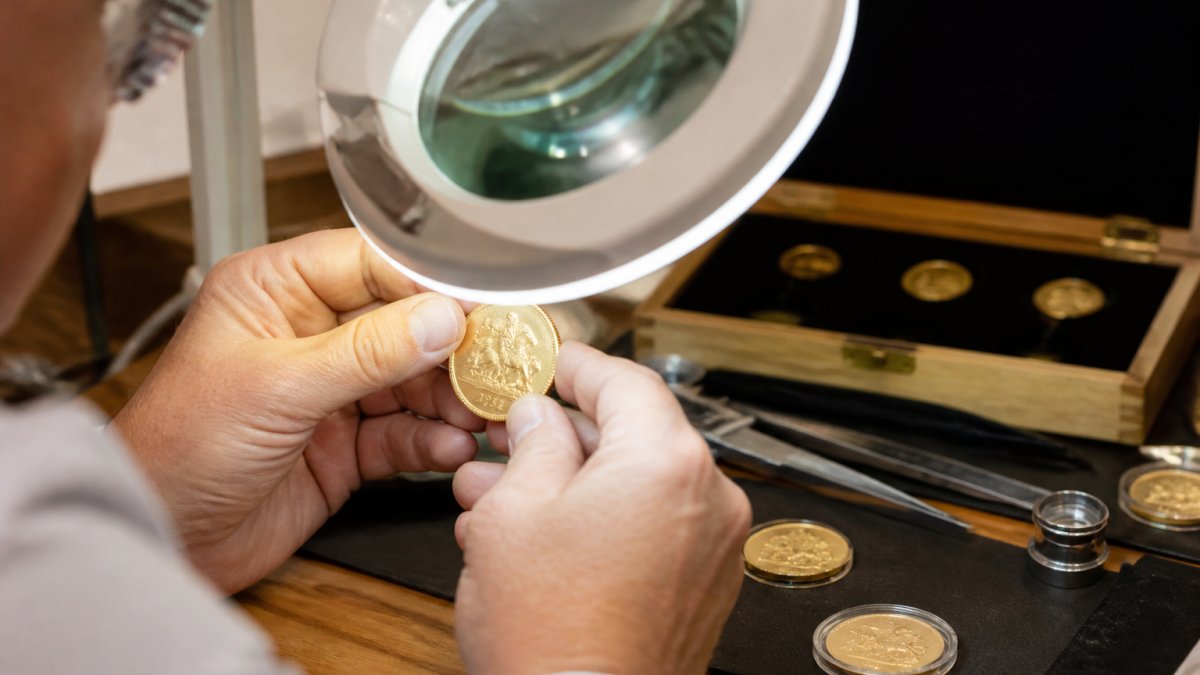
The Gold Bullion similarly issues certificates and performs verification checks. Both dealers source from established mints and refineries, reducing counterfeit risk significantly.
When buying from either dealer, ask specifically what authentication documentation you'll receive. Request photos of the actual item you're purchasing, not just product category images.
A common mistake is assuming a certificate guarantees resale value. It doesn't.
Reselling Physical Gold Coins: Buyback Terms and Liquidity
Most dealer comparisons stop at the purchase price. The resale terms are where the real cost of ownership lives, and they are the part of the AC Silver versus The Gold Bullion decision that buyers most often get wrong.
How a buyback price is actually calculated
When a dealer buys metal back, the offer is normally built from three components:
- A reference price, usually the live spot price at the moment of valuation, or a published daily fix.
- A buyback spread, the dealer's margin, expressed as a percentage below spot. This is the mirror image of the premium you paid on the way in.
- A condition or product adjustment, applied if the item is not in the condition the dealer expects, or if it is a collectible whose value depends on grade.
Both AC Silver and The Gold Bullion operate buyback services, and both price offers against current market conditions rather than the price you originally paid. That is standard across the trade: your purchase price is irrelevant once you decide to sell. What matters is the spread the dealer applies and whether the item still qualifies for the top of its buyback band.
What can reduce your buyback offer
The gap between the headline buyback rate and what you actually receive is usually caused by one of these:
- Missing documentation, original certificate, invoice or packaging. Some dealers require these to pay the full rate; without them, the offer may drop.
- Condition changes, scratches, edge knocks, cleaning or handling marks. Bullion coins are expected to be in good condition; heavily handled coins may be treated closer to scrap.
- Packaging damage, sealed or encapsulated items that have been opened can lose value, particularly where the product is sold as a collectible.
- Collectible versus bullion classification, a numismatic piece is only worth its collectible premium if the buyer agrees with the grade. If the dealer disagrees with your grading, the offer reverts towards metal value.
- Market timing, buyback spreads tend to widen when markets are volatile, because the dealer is carrying more risk between buying and reselling.
Testing resale terms before you commit
A practical way to assess either dealer's resale experience is to run a small test before making a large purchase:
- Ask for a sample buyback quote on a standard product you are considering, on the same day you request the purchase quote. The difference between the two is your round-trip cost.
- Compare the round-trip cost, purchase premium plus buyback spread, across both dealers. This is the true cost of holding the metal with that dealer, and it is rarely published.
- Check the buyback window, some dealers only buy back items they sold, and some apply a minimum holding period. Confirm whether either restriction applies.
- Confirm the payment method and timeframe, bank transfer is typical, and payment is usually made after the dealer has received and verified the item. Ask how long verification takes.
Liquidity by product type
Liquidity is not a property of the dealer alone; it is a property of the product. Standard bullion, Britannias, sovereigns, and common one-ounce bars, resells quickly because there is constant demand and a well-known specification. Collectible and numismatic pieces are less liquid: the pool of buyers is smaller, valuation is subjective, and a sale can take longer or require accepting a wider spread.
This is the clearest practical difference between the two dealers on resale. If you buy a standard product from The Gold Bullion, you are buying something with a deep, predictable resale market. If you buy a specific collectible from AC Silver, you may achieve a strong price, but only if you find the right buyer, and the dealer's own buyback may be the fastest route rather than the best-priced one.
What to ask before you buy
- What is the buyback spread for this exact product today?
- Is the original certificate or packaging required for the full rate?
- Do you buy back items purchased from you only, or from any source?
- How is the offer priced, live spot, a daily fix, or your own valuation?
- How long does payment take after you receive the item?
- Are there any minimum holding periods or minimum quantities?
Getting written answers to these questions before purchase turns resale from a hope into a known cost. That is the single most useful thing you can do when choosing between these two dealers.
Physical Gold Storage: Security and Accessibility
Storing bullion at home introduces insurance costs, security concerns, and the risk of theft or loss. Some investors use bank safe deposit boxes, which offer security but limited accessibility and may incur annual fees.
Both AC Silver and The Gold Bullion can advise on storage options, though they don't typically offer vault storage themselves. Some larger dealers partner with secure vaults, but this isn't standard for smaller operations.
If you plan to hold bullion long-term, factor storage costs into your investment thesis:
- Home storage: insurance premiums (typically 0.5-1% annually)
- Bank safe deposit: annual fees (£50-150+)
- Professional vault: annual storage fees (0.5-2% depending on quantity)
The decision between home and professional storage affects your total return. A £5,000 investment held for 10 years with 1% annual storage costs loses £500 to storage alone, that's real money that reduces your net gain.
Which Dealer Fits Your Investment Profile
Your choice depends on what you're actually trying to accomplish.
Choose AC Silver if:
- You want access to a broader product range, including rare or semi-numismatic coins
- You're willing to research individual pieces and understand collectible premiums
- You value the ability to source specific historical items
- You're building a diversified precious metals portfolio with varied formats
Choose The Gold Bullion if:
- You want straightforward, core bullion exposure without navigating dozens of options
- You prefer consistency and simplicity over product variety
- You're new to bullion investing and want to avoid decision paralysis
- Your focus is pure investment value rather than collectible appeal
Neither dealer is objectively "better", they serve different buyer needs. The wrong choice for your situation creates unnecessary friction; the right choice aligns with how you actually want to invest.
We recommend starting with your investment thesis. Are you buying gold as portfolio insurance, seeking capital appreciation, or collecting pieces with historical significance? Your answer determines which dealer's strengths matter most to your situation.
Choosing between AC Silver and The Gold Bullion requires looking beyond price comparisons to understand dealer practices around authenticity, resale terms, and product range. Both operate professionally within the UK precious metals market. The decision comes down to whether you value breadth and collectible options (AC Silver) or simplicity and focused bullion exposure (The Gold Bullion).
Frequently Asked Questions
What is the difference between AC Silver and The Gold Bullion?
AC Silver specialises in silver bullion and coins alongside gold, with a focus on cast and minted bars. The Gold Bullion concentrates primarily on gold products, including coins and bars. Both offer bullion bars and coins, but their product depth, pricing structures, and premium levels differ. Your choice depends on whether you want mixed precious metals or pure gold focus, and how their delivery and buyback terms align with your investment horizon.
How can you check the authenticity of gold coins bought online?
Reputable gold coin dealers comparison shows most offer third-party grading certificates from recognised assayers. When buying online, verify the dealer provides detailed product images, weight and fineness specifications, and authentication documentation. Ask whether coins are independently graded and certified. Check the dealer's return policy, legitimate sellers allow inspection periods. Weight, dimensions, and sound (when tapped gently) are physical markers you can verify upon delivery. Request full provenance documentation for historical pieces.
How easy is it to resell physical gold coins?
Reselling physical gold coins depends on market conditions, your dealer's buyback programme, and the coin's condition and rarity. Most established dealers offer buyback at or near spot price plus a small margin. Liquidity is generally high for standard bullion coins and bars. Historical or rare coins may take longer to sell and fetch variable prices depending on collector demand. Compare buyback spreads between dealers before purchase, some offer tighter margins, reducing your exit cost. Secondary market sales through auction houses or specialist dealers are alternatives if your original dealer's terms are unfavourable.
What should you compare when buying gold from a dealer?
When comparing gold bullion dealers, examine spot price tracking accuracy, premium percentages above spot, delivery costs and timescales, insurance options, storage facilities (if offered), buyback spreads, and authentication guarantees. Check whether they offer cast or minted bars, and if product range matches your diversification goals. Review customer feedback on delivery reliability and customer support responsiveness. Verify that grading and certification standards meet your confidence level, especially for rare or historical pieces. Total purchase cost, not just metal price, determines real value.


0 comments